Code of Ethics Whistleblowing Privacy
ITEN
Home / Model

Biogas is an industrial process

To be governed, it requires method, structure and control. Here we explain how we work.

The thesis

How FAR.E governs biogas with an industrial approach

A biogas or biomethane plant is a complex industrial system where biology, supply chain, operations and data must work in an integrated manner. FAR.E exists to govern this complexity with method.

Managing it like a farm — by habit, by intuition, by reaction — means losing value every day without realizing it.

FAR.E exists to change this paradigm: bringing industrial method where there is currently empiricism.

Performance does not depend on hardware. It depends on the method used to govern feedstock, process, data and economics.

Biological variability is manageable only when supply chain, recipe and process are read as a single system.
The pillars

Three dimensions, one system

FAR.E integrates three operational levels that are usually managed separately.
Plant management

Plant management

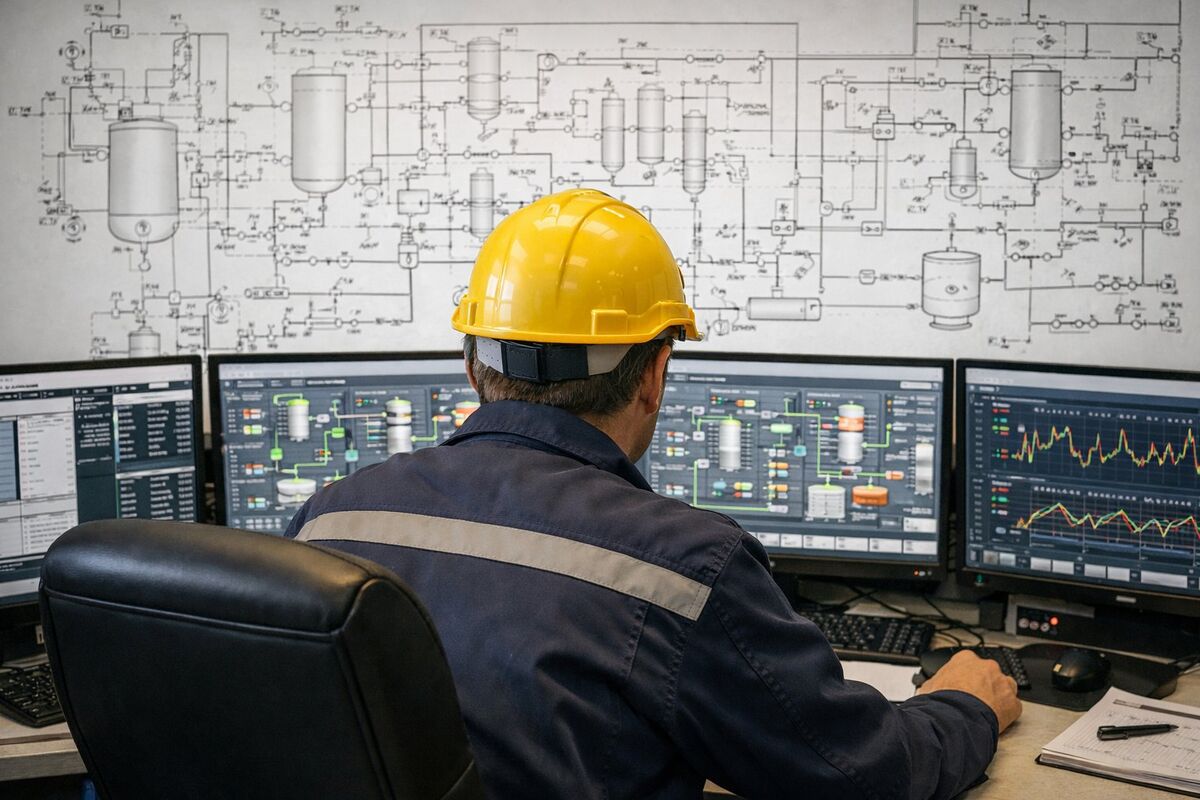
Operational control, production continuity and industrial asset management

  • Continuous performance monitoring
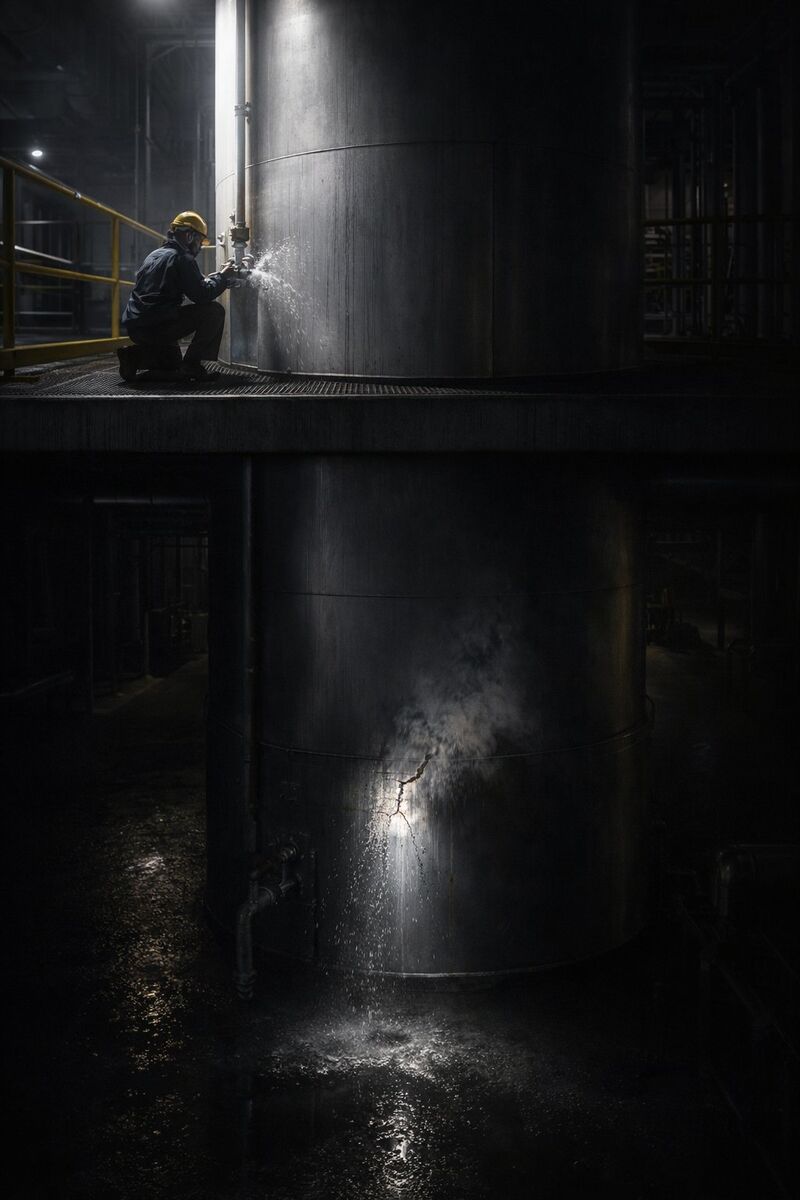
  • Planned and predictive maintenance
  • Operator coordination
  • Tracked KPIs and reporting
  • Inefficiency reduction (flaring, self-consumption)

Feedstock and recipes

Feedstock and recipes

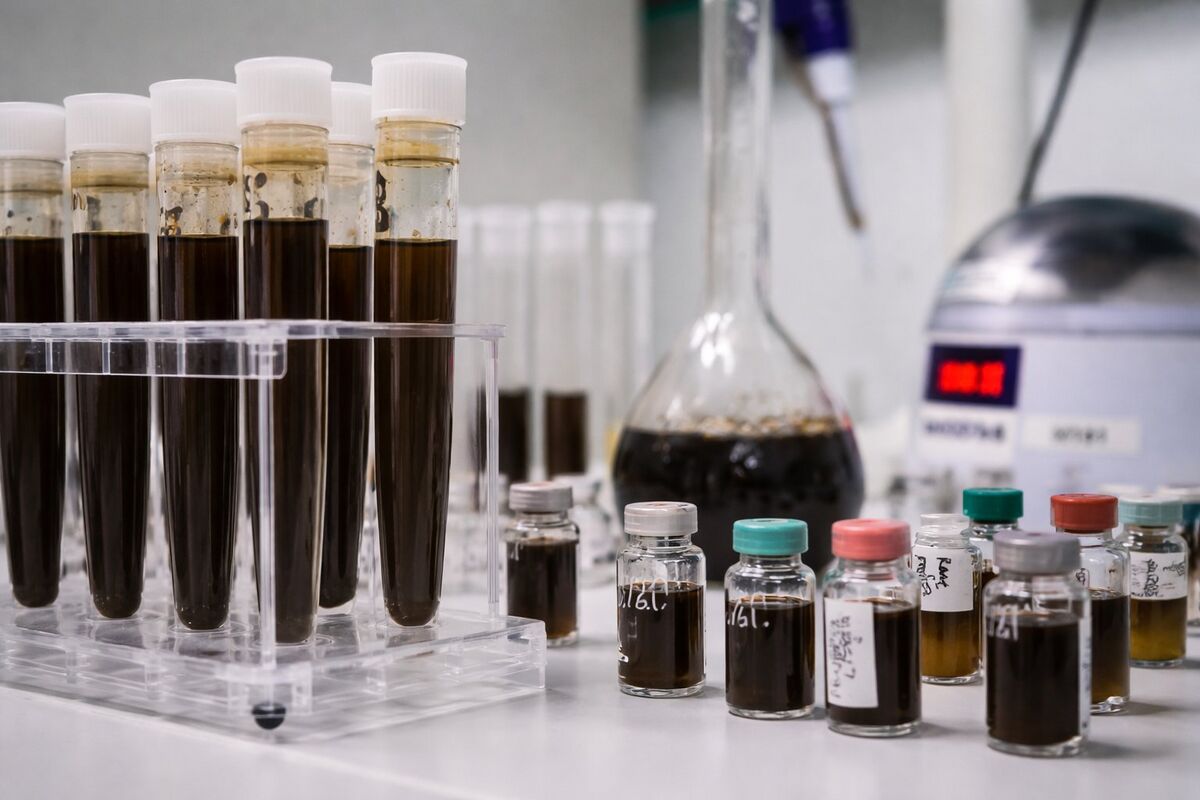
Supply chain, input quality and digester diet optimization

  • Contracts based on energy value
  • Supply continuity and traceability
  • Raw material quality control
  • Biological recipe management
  • Real cost reduction per Nm³ CH₄
Biologia

Biologia

Anaerobic process stability and production continuity

  • Digester balance
  • Biological variable management
  • Production process optimization
  • Continuous biological supervision
  • Instability prevention
When these components work together, the plant stops reacting.
It starts being governed.
The key

Industrial governance

Performance is not sustainable without governance. This is what distinguishes FAR.E.

La governance non è controllo. È capacità di prendere decisioni corrette in condizioni complesse.

Clear roles and responsibilities

Every decision has an owner, every action has a defined scope. Not improvisation, but structure.

Traceable decisions

Every operational choice is documented, justified and verifiable. Not opinions, but evidence.

Systematic use of data

Data is not just collected, but read, interpreted and transformed into concrete corrective actions.

Structured improvement cycle

Every plant improves over time through a continuous process: measure, analyze, correct, optimize.

FAR.E governance cycle — click to expand

Plan

KPIs and objectives

Execute

Structured operations

Measure

Continuous monitoring

Correct

Corrective actions

Optimize

Growing performance

Operational plan definition: Identification of performance objectives, definition of key KPIs (production, efficiency, quality, costs), assignment of responsibilities and target setting for each plant area.

Structured operational implementation: Execution of activities according to standardized procedures (SOP), operator coordination, planned maintenance management and continuous biological process supervision.

Monitoring and data collection: Systematic collection of process data, performance analysis against targets, deviation identification and timely anomaly reporting.

Corrective actions mirate: Interventi basati su evidenze, non su intuizioni. Ogni azione correttiva è documentata, giustificata dai dati e verificabile nei risultati che produce.

Optimization and continuous improvement: Trend analysis, identification of improvement levers, updating procedures and targets. The plant improves progressively, cycle after cycle.

The hidden problem

The hidden cost of quality

Many plants lose value every day without realizing it. Inefficiencies do not appear in standard reports, but constantly erode margins.

Flaring beyond necessity
Non-optimized self-consumption
Below-target efficiency
Feedstock paid above energy value
Inconsistent biomethane quality

FAR.E measures them, governs them, reduces them.

Hidden costs
~20%

Visible costs

Maintenance, personnel,
feedstock, energy

~80%

Hidden costs

Unnecessary flaring · Excessive self-consumption · Overpaid feedstock · Biological instability · Sub-optimal decisions · Below-target quality · Untracked losses

The model

Economic model

FAR.E works with a performance-oriented model, aligning its interests with those of the plant.

We do not sell consulting hours. We do not just deliver reports. We work on creating measurable value.

Our value grows when the plant's margin grows. This alignment of interests is the foundation of our model.

We measure ourselves on results, not on activities.

FAR.E Model

Performance orientation
Direct operational governance
Interest alignment with client
Accountability for results

Traditional model

Hourly or fixed-contract billing
Delivery of reports and recommendations
No link to results
Responsibility limited to execution

Want to understand where your plant is losing value?

We can analyze the plant system together and identify improvement levers.

Analizziamo il tuo impianto Watch FAR.E Channel